IPA vs. Acetone: Choosing the Right Industrial Cleaning Solvent
Industrial cleaning is an essential part of manufacturing, maintenance, metal fabrication, electronics assembly, and equipment repair. Removing oil, grease, fingerprints, adhesive residue, and other contaminants helps improve product quality, prepare surfaces for further processing, and maintain reliable equipment performance.
Two widely used solvents are isopropyl alcohol (IPA) and acetone. Both evaporate quickly and can be effective cleaning agents, but they have different chemical properties, material compatibility, and ideal applications. Choosing the right solvent can improve cleaning performance while helping control costs and workplace risks.
What Is Isopropyl Alcohol (IPA)?
Isopropyl alcohol, also called isopropanol or IPA, is a versatile solvent used in industrial maintenance, manufacturing, and precision cleaning. Available in several concentrations, including 70%, 91%, and 99%, IPA offers a useful combination of solvent performance and relatively rapid evaporation.
Common Industrial Applications for IPA
1. Electronics and Electrical Components
High-purity IPA is commonly used to remove fingerprints, light oils, and other contaminants from compatible electronic components and equipment. Higher-purity formulations can be useful when minimizing water residue is important. However, equipment must be de-energized, and the manufacturer's cleaning instructions should always be followed.
2. Metal Surface Preparation
IPA can remove fingerprints, light oils, and some processing residues from compatible metal surfaces before assembly, inspection, or other manufacturing operations. It is particularly useful when a fast-drying solvent is desired.
3. General Equipment Maintenance
Maintenance departments use IPA to clean compatible tools, fixtures, machine components, and work surfaces. Its versatility makes it useful for many routine cleaning tasks where heavy grease or stubborn deposits are not present.
4. Precision Cleaning
In applications where visible residue is undesirable, high-purity IPA can provide effective cleaning with minimal residue when used correctly. The final result depends on solvent purity, the contamination being removed, and the cleanliness of the wiping materials.
Advantages of IPA
-
Fast evaporation under suitable conditions.
-
Effective removal of many light oils, fingerprints, and organic residues.
-
Available in high-purity formulations.
-
Useful for many precision-cleaning applications.
-
Compatible with numerous metals and other materials, although compatibility must be verified for plastics, coatings, elastomers, and adhesives.
IPA is flammable, and its vapors require appropriate ventilation and ignition control. Even high-purity IPA must be handled according to its Safety Data Sheet.
What Is Acetone?
Acetone is a powerful, fast-evaporating organic solvent used in manufacturing, fabrication, maintenance, and surface preparation. Its strong solvency makes it useful for contaminants that may be difficult to remove with IPA.
Acetone can dissolve many oils, resins, certain adhesives, and other organic substances. It is also used in applications involving certain paints, coatings, and polymer residues, provided the material being cleaned can tolerate it.
Common Industrial Applications for Acetone
1. Removing Adhesives and Resin Residues
Acetone can be effective for removing certain adhesive residues, uncured resins, and other organic deposits. Its effectiveness varies with the specific adhesive or resin chemistry. Test the solvent before using it on a finished component.
2. Metal Fabrication and Surface Preparation
In suitable applications, acetone can remove oils and organic contaminants before painting, bonding, or other manufacturing processes. The metal, coating system, and downstream process should be checked for compatibility.
3. Paint and Coating Cleanup
Acetone is used in certain industrial paint and coating cleanup applications, including cleaning compatible tools and equipment. It can also dissolve or damage many finished coatings, so it should not be used indiscriminately on painted surfaces.
4. Manufacturing and Maintenance
Acetone can help remove stubborn organic contamination from compatible equipment and components. Its strong solvency can make it useful when a milder cleaner does not achieve the desired result.
Advantages of Acetone
-
Strong solvent action against many organic contaminants.
-
Very rapid evaporation under typical conditions.
-
Useful for certain adhesive, resin, and coating residues.
-
Effective in selected metal-cleaning and manufacturing applications.
Acetone's aggressive solvent action is also a limitation. It can damage many plastics, painted surfaces, protective coatings, and elastomers. Always verify material compatibility before use.
IPA vs. Acetone: Which Solvent Should You Choose?
| Characteristic | Isopropyl Alcohol (IPA) | Acetone |
|---|---|---|
| Cleaning strength | Good for light oils, fingerprints, and many residues | Strong against many organic contaminants, including certain resins and adhesives |
| Evaporation | Fast | Generally very fast |
| Water content | Depends on grade; 99% IPA contains a small amount of water | Commercial grades vary in purity and water content |
| Material compatibility | Often suitable for many metals; check plastics and coatings | More aggressive toward many plastics, coatings, and adhesives |
| Precision cleaning | Commonly used | Suitable for selected applications where stronger solvency is needed |
| Flammability | Highly flammable | Highly flammable |
| Best use | Routine cleaning and compatible precision-cleaning applications | More demanding solvent-cleaning tasks where material compatibility is confirmed |
Neither solvent is universally superior. The correct choice depends on the contaminant, the substrate, the required cleanliness, and the manufacturing process that follows.
How to Select the Right Industrial Cleaning Solvent
Before choosing IPA or acetone, consider five factors.
1. Identify the contaminant. Light fingerprints and oils may respond well to IPA. Certain resins, adhesives, and heavier organic residues may require acetone or another purpose-designed cleaner.
2. Check the substrate. Test the solvent on an inconspicuous area or representative sample. A solvent that cleans metal effectively may damage a nearby plastic housing, painted surface, seal, or gasket.
3. Consider the next manufacturing step. Surfaces intended for bonding, painting, coating, or inspection may require a specified cleaning method. Follow the process requirements rather than relying solely on visual cleanliness.
4. Evaluate evaporation and residue. Rapid evaporation can reduce drying time, but it does not guarantee a residue-free surface. Solvent purity, contaminated wiping cloths, dissolved residues, and application technique all affect the result.
5. Review safety and operating costs. Consider ventilation, fire protection, worker exposure, solvent consumption, and disposal requirements—not just the purchase price per gallon.
Safe Handling of Industrial Solvents
IPA and acetone are highly flammable liquids. Their vapors can ignite, and exposure can cause irritation or other adverse effects.
Industrial users should:
-
Review the current Safety Data Sheet before use.
-
Provide appropriate ventilation and control ignition sources.
-
Use suitable gloves and eye protection based on the SDS and task-specific assessment.
-
Keep containers closed when not in use.
-
Use appropriate equipment for transferring and dispensing flammable liquids.
-
Store and dispose of solvents according to applicable fire, environmental, and hazardous-waste requirements.
Never use these solvents on energized electrical equipment, and do not assume that a component is safe simply because the solvent has evaporated from its surface.
California Considerations for Industrial Solvent Buyers and Sellers
Businesses purchasing or distributing IPA and acetone in California should evaluate applicable air-quality, product-classification, workplace-safety, storage, and transportation requirements.
California Air Resources Board (CARB) consumer-product VOC rules may apply to products marketed as certain types of cleaners or solvents. The classification and intended use matter, and describing a product as “industrial” does not automatically exempt it. Local air-district rules may also apply.
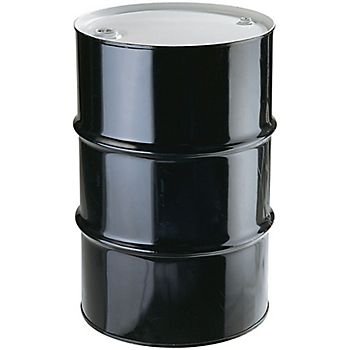
Businesses handling drums or bulk quantities should confirm applicable hazardous-material reporting, fire-code storage, labeling, and hazardous-material transportation requirements before distributing the product.
Conclusion: Match the Solvent to the Job
IPA and acetone are important tools in industrial cleaning, but they serve different purposes. IPA is a versatile option for light oils, fingerprints, and many precision-cleaning tasks. Acetone offers stronger solvency for certain difficult organic contaminants, adhesives, and resins, but its aggressive action can damage sensitive materials.